
2025 Hyundai Tucson Hybrid vs Gas Engine: Which Powertrain Suits Manitoba Drivers?
2025 Hyundai Tucson Hybrid vs Gas Engine: Which Powertrain Suits Manitoba Drivers?
Posted on July 30, 2025
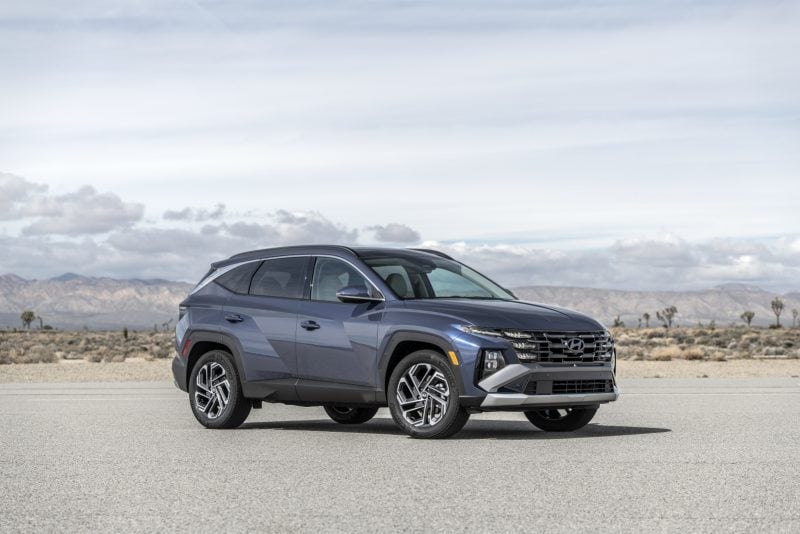
Selecting between hybrid and traditional gas powertrains involves understanding how each technology fits your specific driving patterns and priorities. The 2025 Tucson offers both options, allowing Manitoba families to choose the powertrain that best matches their needs.
The decision extends beyond simple fuel economy considerations. Hybrid systems provide different driving characteristics, maintenance requirements, and long-term ownership experiences compared to conventional engines. Understanding these differences helps ensure you select the powertrain that enhances rather than complicates your driving experience.
Traditional Gas Engine Performance
The Smartstream 2.5L GDI engine powers the Preferred and Preferred with Trend Package Tucson models. This naturally aspirated four-cylinder delivers reliable performance through proven technology that millions of drivers understand and trust.
The engine produces smooth, linear power delivery that responds predictably to throttle inputs. Acceleration feels consistent across different driving conditions, providing the driving experience that most drivers expect from a traditional SUV.
The 8-speed automatic transmission pairs effectively with the 2.5L engine, providing smooth gear changes and appropriate gear ratios for both city driving and highway cruising. The transmission includes SHIFTRONIC manual mode for drivers who prefer more control over gear selection.
Maintenance requirements follow conventional schedules that most drivers and service technicians understand completely. Oil changes, filter replacements, and routine inspections maintain engine reliability using widely available parts and standard procedures.
The conventional powertrain setup eliminates concerns about hybrid system complexity or battery longevity. Drivers can expect traditional ownership patterns with predictable maintenance costs and familiar service requirements.
Winter operation provides immediate cabin heating through waste engine heat, ensuring passenger comfort during Manitoba's cold season. The engine reaches operating temperature quickly, providing full heating capability within minutes of startup.
Hybrid System Technology and Benefits
The Smartstream 1.6L Turbo GDI Hybrid system powers the N Line and Ultimate Tucson models. This advanced powertrain combines a turbocharged engine with electric motor assistance for improved efficiency and performance characteristics.
The hybrid system operates seamlessly without requiring driver intervention or behavior changes. The electric motor provides instant torque during acceleration, creating smooth and responsive power delivery that enhances the driving experience.
Regenerative braking captures energy typically lost during deceleration and stores it in the hybrid battery. This process reduces brake wear while contributing to overall system efficiency. The regenerative system operates transparently, maintaining natural brake pedal feel.
The 6-speed automatic transmission designed specifically for hybrid operation provides smooth power transitions between gas and electric operation. Drivers experience seamless acceleration without feeling the system switch between power sources.
Electric motor assistance reduces engine load during acceleration and city driving, contributing to significant fuel economy improvements. The system automatically optimizes power source selection based on driving conditions and power demands.
Battery heating and cooling systems maintain optimal operating temperature regardless of outside conditions. These systems ensure consistent hybrid performance during Manitoba's temperature extremes.
Real-World Driving Scenarios
City driving patterns around Winnipeg favor hybrid technology through frequent stop-and-go conditions that maximize electric motor benefits. The instant torque from electric assistance provides smooth acceleration from traffic lights and parking lots.
Regenerative braking proves particularly effective during urban driving with frequent speed changes. The system captures energy during deceleration that would otherwise be lost as heat through conventional brakes.
Highway driving between Manitoba communities allows both powertrains to demonstrate their efficiency capabilities. The hybrid system optimizes between gas and electric power for sustained cruising, while the conventional engine operates efficiently at constant speeds.
Rural and gravel road driving common for cottage access and recreational activities benefits from the conventional engine's immediate response and predictable power delivery. The hybrid system provides similar capability while maintaining efficiency advantages.
Winter driving conditions affect both powertrains differently. The conventional engine provides immediate heating and consistent operation regardless of temperature. The hybrid system includes battery heating to maintain performance but may require slightly longer warm-up periods for maximum efficiency.
Powertrain Performance Comparison
Understanding the mechanical differences between hybrid and conventional powertrains helps Manitoba drivers make informed decisions about which system suits their needs best:
| Feature | 2.5L Gas Engine | 1.6L Turbo Hybrid |
|---|---|---|
| Engine Type | Naturally aspirated 4-cylinder | Turbocharged 4-cylinder + electric motor |
| Transmission | 8-speed automatic | 6-speed hybrid automatic |
| Operation | Traditional gas-only | Seamless gas/electric switching |
| Maintenance | Conventional schedule | Specialized hybrid service |
| Cold Weather | Immediate cabin heating | Battery heating systems included |
The conventional powertrain setup eliminates concerns about hybrid system complexity or battery longevity. Drivers can expect traditional ownership patterns with predictable maintenance costs and familiar service requirements.
The hybrid system operates seamlessly without requiring driver intervention or behavior changes. The electric motor provides instant torque during acceleration, creating smooth and responsive power delivery that enhances the driving experience.
Trim Level and Feature Considerations
Powertrain choice connects directly to trim level selection in the Tucson lineup, which affects both features and pricing:
Conventional Engine Availability:
- Preferred - Essential features, value positioning
- Preferred with Trend Package - Enhanced comfort and convenience features
Hybrid System Availability:
- N Line - Sport styling, performance-oriented features
- Ultimate - Premium luxury appointments, advanced technology
This trim structure means families must consider both powertrain preferences and desired feature levels when making their selection. Some families might prefer hybrid efficiency but find the associated trim features exceed their needs or budget.
Fuel Economy and Operating Costs
The hybrid system delivers substantial fuel economy improvements that translate to meaningful cost savings over typical annual driving distances. The efficiency gains prove particularly significant for families with longer commutes or frequent long-distance travel.
Calculating annual fuel savings requires considering local driving patterns and fuel prices. Families driving primarily in city conditions see the greatest benefit from hybrid technology, while those with mostly highway driving see smaller but still significant savings.
The conventional engine provides predictable fuel consumption that varies based on driving conditions and seasonal factors. Winter fuel economy typically decreases due to extended warm-up periods and increased auxiliary system usage.
Hybrid fuel economy remains more consistent across seasons due to electric motor assistance and improved engine efficiency. The system automatically adjusts operation for optimal performance regardless of outside temperature.
Long-term ownership costs include maintenance considerations for both powertrains. The conventional engine follows standard maintenance schedules with widely available parts and service expertise.
Hybrid systems require specialized knowledge for service but include extended warranty coverage for hybrid-specific components. Battery replacement costs, while rare, constitute a potential long-term consideration that some families prefer to avoid.
Making Your Powertrain Decision
Choose the conventional 2.5L engine when you prioritize straightforward operation, traditional maintenance patterns, immediate cabin heating, and lower initial purchase costs. This powertrain suits families comfortable with conventional engine technology who drive primarily highway miles.
Select the hybrid system when fuel economy stands as a priority, you appreciate advanced technology, or your driving includes substantial city conditions. The hybrid powertrain benefits families with longer commutes or those interested in reducing environmental impact.
Both powertrains deliver the reliability, safety, and capability that Manitoba families expect from their SUV. The choice ultimately depends on personal preferences, driving patterns, and long-term ownership priorities.
Test drive both powertrain options at Winnipeg Hyundai to experience the differences firsthand and determine which system suits your family's needs.